
Mastering Carry-On Luggage: Packing Hacks, Airline Rules, and Stress-Free Travel
Pack a carry-on with confidence using practical space-saving strategies, current airline-size guidance, TSA liquid rules, and a final preflight checklist.
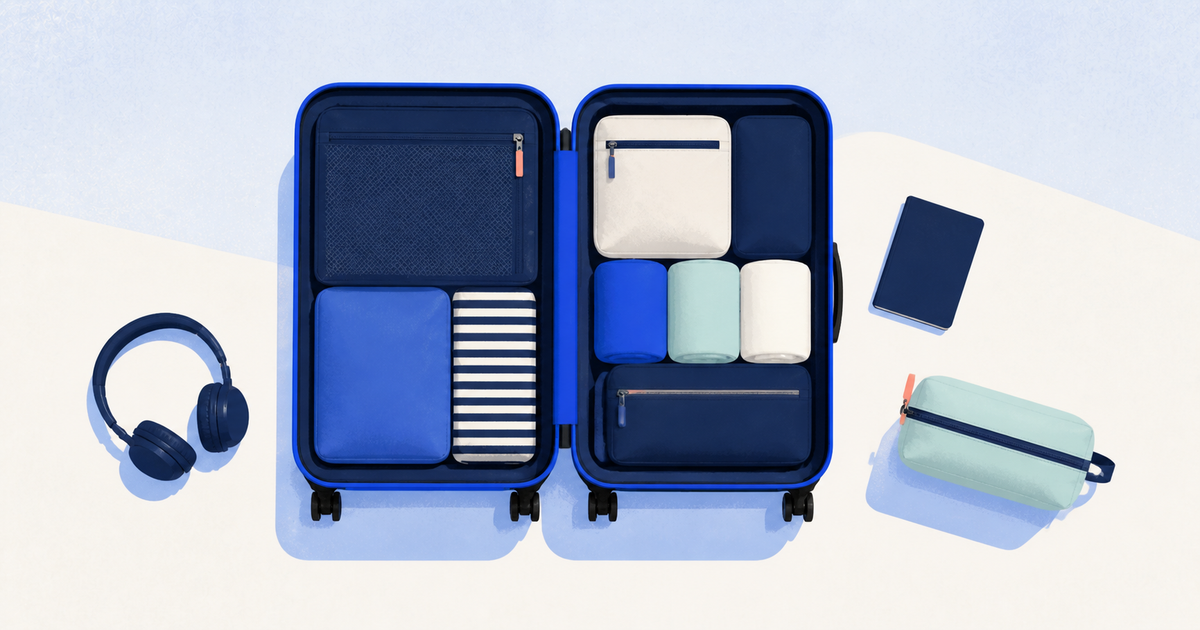
Traveling with only carry-on luggage can make the entire trip feel lighter. You can skip the baggage-drop line, reduce the risk of a delayed bag, and leave the airport soon after landing.
The challenge is fitting what you need into a bag that satisfies your airline, fare, route, and aircraft rules. This guide covers the important checks and packing habits that make traveling light practical—whether you are taking a weekend getaway or a longer trip.

When you are ready to compare flights, Soar keeps the route, schedule, fare details, and booking flow together. New travelers can also get $15 off their first Soar flight.
Check Your Carry-On Allowance Before Packing
There is no single carry-on limit shared by every airline. Dimensions, weight limits, personal-item allowances, and fees can change by carrier, fare, route, cabin, and operating aircraft.
Check the operating airline's current baggage page before leaving home—even when a flight was purchased through another airline or booking service. Include wheels, handles, and exterior pockets when measuring your bag.
A Common U.S. Carry-On Size
Several large U.S. airlines use a maximum around 22 × 14 × 9 inches (56 × 36 × 23 centimeters). For example, American Airlines and Delta Air Lines currently publish limits in that range.
Treat this as a useful shopping reference, not a universal rule. Regional aircraft may have smaller bins, and an otherwise compliant roller may still need to be checked at the gate when space is limited.
International and Low-Cost Airlines
Many international and low-cost carriers publish different dimensions or enforce a cabin-bag weight limit. Allowances around 7 to 10 kilograms are common, but the only number that matters is the one published for your specific itinerary.
Do not assume that a bag accepted on the outbound airline will be accepted by a different carrier on the return journey.
Personal Items and Fare Restrictions
A personal item generally needs to fit completely beneath the seat in front of you. Airlines define acceptable dimensions differently, so measure a backpack or tote instead of relying on its marketing label.
Also review what your fare includes. Some basic or low-cost fares include only an under-seat item, while others include both a personal item and an overhead carry-on. Comparing the complete fare—not just its first displayed price—helps prevent an unexpected charge at the airport.
Before packing, verify four things: maximum dimensions, maximum weight, the number of permitted items, and what your fare includes.
Five Carry-On Packing Hacks That Actually Help
Packing light is less about finding one clever trick and more about making a few deliberate choices.
1. Use Compression Packing Cubes Carefully
Packing cubes separate tops, bottoms, underwear, and accessories so you can find an item without unpacking the entire case. Compression versions can reduce volume, especially for soft clothing.
They do not reduce weight. If your airline enforces a cabin-bag weight limit, compressing more clothes into the suitcase can make the bag harder—not easier—to carry onboard.
2. Roll Soft Items and Fold Structured Pieces
Roll T-shirts, underwear, activewear, and other soft fabrics to fill narrow spaces. Fold collared shirts, trousers, and structured clothing along their natural seams to reduce creasing.
Use the inside of shoes for socks or other small, clean items, and place a shoe bag or reusable cover around the soles.
3. Wear the Bulkiest Practical Layers
A jacket, sweater, or pair of boots can consume a surprising amount of suitcase space. Wearing the heaviest practical pieces in transit leaves more room in the bag.
Keep comfort and security screening in mind. An outfit that is difficult to remove or carry through a warm terminal can create more hassle than it saves.
4. Build a Small Capsule Wardrobe
Choose a simple color palette so most tops work with most bottoms. A useful starting point for many trips is four tops, three bottoms, a light layer, and two pairs of shoes, including the pair worn in transit.
Adjust the formula for weather, activities, laundry access, and cultural expectations. Packing one versatile outfit is usually more useful than packing several pieces that work only once.
5. Follow the TSA Liquids Rule
For standard U.S. airport screening, the TSA 3-1-1 rule generally limits liquids, gels, aerosols, creams, and pastes to containers of 3.4 ounces or 100 milliliters or less, placed in one clear quart-size bag per passenger.
Medically necessary liquids can be allowed in larger quantities but require separate screening. Formula, breast milk, and certain other essential items also have specific exceptions. Review the TSA guidance for your situation and check the rules of the country where screening takes place.
Solid toiletries can reduce the number of liquids you carry, but confirm unfamiliar items with the TSA's official What Can I Bring? tool.
Choose the Right Type of Carry-On Luggage
The best bag depends on how you move through the trip, not just how it looks.
Hardshell Spinner
A lightweight hardshell case protects fragile contents and rolls smoothly through paved terminals. Four wheels make it easy to maneuver, although external wheels count toward the airline's size limit and can reduce usable interior space.
Softside Suitcase
Softside bags often include quick-access exterior pockets and may flex slightly in a tight space. Avoid overstuffing: a bulging pocket still counts when the bag is placed in a sizer.
Travel Backpack
A travel backpack works well on stairs, cobblestones, public transit, and multi-stop itineraries. Look for a supportive harness, a clamshell opening, and dimensions designed around airline limits. A comfortable backpack can still become impractical when overpacked.
Pack the Personal Item Strategically
Assume that an overhead bag might be gate-checked on a full flight. Keep anything essential, fragile, valuable, or difficult to replace in the personal item that stays under your seat.
- Identification, passport, wallet, and boarding information
- Medication and medically necessary supplies
- Phone, laptop, camera, chargers, and spare batteries
- Keys, jewelry, and other valuables
- One small layer and basic overnight essentials
Lithium batteries and electronic cigarettes have specific aviation rules and may need to remain in the cabin. Review both airline guidance and the TSA list before packing them.
Your Final Carry-On Checklist
Before closing the bag, run through this quick check:
- Measure the packed bag, including its wheels and handles.
- Weigh it if any operating airline publishes a cabin-bag weight limit.
- Confirm that your fare includes the overhead bag you plan to bring.
- Put the liquids bag where it is easy to remove for screening.
- Keep medication, electronics, identification, and valuables in your personal item.
- Download or save the boarding pass and important itinerary details.
- Leave a little room for something acquired during the trip.
- Make sure every zipper closes without force.
Travel Lighter From Search to Arrival
A good carry-on system begins before the suitcase comes out. Confirm the airline rules, choose clothes that work together, and keep critical items within reach. The result is not just a smaller bag—it is a simpler airport experience.
Put the packing list to work on a December escape, a family vacation, or a low-key stay from our all-inclusive resort guide.
Once the suitcase is ready, search and book your next flight with Soar. You can claim $15 off your first flight and put the savings toward the trip itself.
Prices, schedules, and airline rules can change. Always review the final itinerary and fare terms before booking.