Redeye Flight Guide: How to Sleep, Land, and Recover
Decide whether a redeye flight is worth it, calculate how much sleep you can really get, choose a better seat, and make a realistic arrival plan.
 Naveen KettererHead of Growth at Soar · 9 min read · Updated September 1, 2026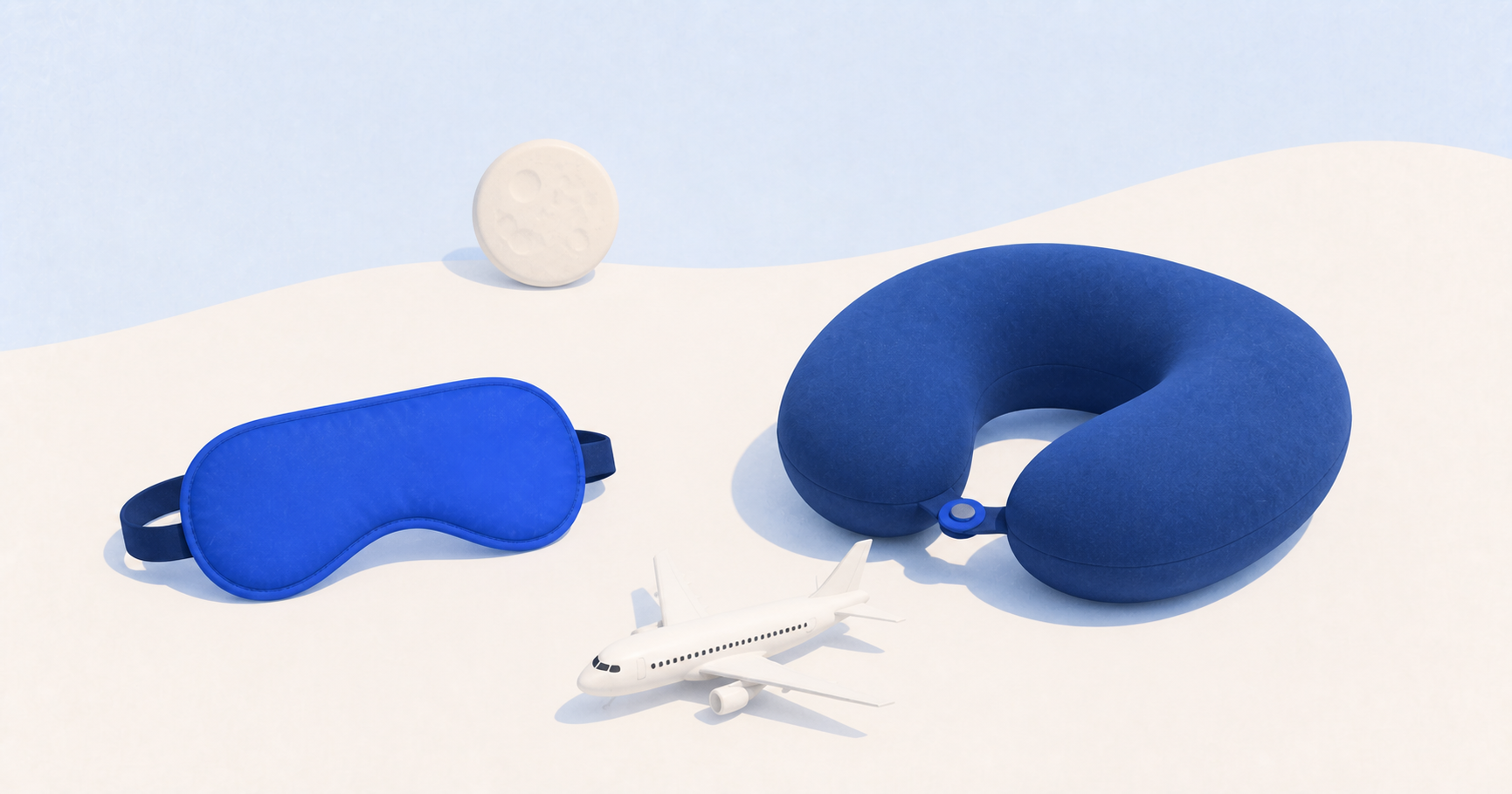
A redeye flight leaves at night and arrives the next morning. It can save a daytime travel day—and leave you with four broken hours of sleep and nowhere to check in.
The deciding factor is not your travel pillow. It is whether the flight gives you a real sleep window and whether your first day can absorb the fatigue.
The quick test: Subtract 60–90 minutes from the scheduled flight time. If the remaining sleep window looks miserable on paper, it will not improve at 35,000 feet.
Is the Redeye Actually Worth It?
Start with the next morning, not the ticket price.
| Your situation | Better choice |
|---|---|
| Nonstop overnight versus daytime connection | Usually the redeye |
| Important meeting or long drive after landing | Usually the daytime flight |
| Six or more hours of possible sleep | Redeye may work well |
| Less than four hours of possible sleep | Expect a rough arrival day |
| Hotel stores bags and the morning is flexible | Redeye becomes easier |
| 5:00 a.m. arrival with no transport or check-in | Daytime may be worth more |
A west-to-east U.S. flight is the classic example. Leave Los Angeles around 10:30 p.m., fly for roughly five hours, and land in New York around 7:00 a.m. The clock shows an overnight trip; your body gets only the quiet middle of a short flight.
The overnight earns its place when it creates more useful time than it takes away.
Calculate Your Real Sleep Window
Do not count from scheduled departure to scheduled arrival. Subtract the parts of the flight when sleep is unlikely:
- Boarding and settling in
- Taxi and takeoff
- Cabin lighting and service
- Descent, announcements, and landing
Use this planning formula:
Possible sleep = scheduled flight duration − 60 to 90 minutes − the time you need to fall asleep
On a 5-hour 20-minute flight, the quiet window may be close to four hours. If you take 30 minutes to fall asleep upright, that leaves roughly three and a half hours—not a hidden full night.
Turbulence, delays, meal service, or a talkative neighbor can reduce it further. Plan from the conservative number.
Choose the Flight Before the Seat
Prefer a Nonstop
A 2:00 a.m. connection breaks the only useful sleep period. Even when it is cheaper, a connecting redeye often defeats the reason for traveling overnight.
Match Departure to Your Bedtime
A late departure may align better with your normal routine than an 8:00 p.m. flight. But a 1:00 a.m. departure can mean hours of tired waiting in the terminal. Choose the longest quiet stretch, not simply the earliest arrival.
Check What Is Open When You Land
Before booking, look up:
- Airport train or transit hours
- Rental-car counter hours
- Hotel bag storage and early check-in
- Somewhere safe to eat, wait, or shower
- A backup if the flight arrives early
An arrival at 7:00 a.m. can be more useful than one at 4:50 a.m., even if it costs a little more.
Compare the Complete Cost
Add the seat you want, bags, late-night transport, early check-in, and the value of the arrival day. Our guide to the cheapest day to buy flights explains why the lowest airfare is not always the cheapest trip.
Pick a Seat for Your Real Priority
| Seat | Best for | Tradeoff |
|---|---|---|
| Window | Leaning against the wall and avoiding interruptions | Harder to stand and move |
| Aisle | Easy movement and restroom access | Carts and seatmates may wake you |
| Middle | Sitting with your group or saving money | Least control over sleep and movement |
Whichever you choose, avoid the lavatory, galley, and last rows when possible. Check whether the seat reclines and look at the scheduled aircraft, while remembering that equipment can change.
If you have blood-clot risk factors or need to move regularly, medical needs come before the usual window-seat advice. The CDC's travel guidance recommends frequent leg movement and calf exercises on long trips; people at increased risk should ask a clinician about appropriate precautions.
The Day Before the Flight
Do not intentionally stay up late to make yourself tired. You may begin the trip sleep-deprived and still fail to sleep in the cabin.
The FAA recommends sleeping well before a flight and using an eye mask, ear protection, or a travel pillow. Finish packing early and keep the previous night normal.
For a large time-zone change, the CDC suggests shifting sleep toward the destination by about one hour a day for two or three days when practical—earlier before eastbound travel and later before westbound travel.
A Better Preflight Routine
Eat Before Boarding
Have a normal dinner at home or in the airport. Waiting for cabin service can consume half the sleep window on a short redeye. Bring a simple snack in case service is limited.
Fill Your Water Bottle
Cabin service may happen while you want to sleep. Start with water you control so thirst does not become another interruption.
Get Ready for Bed on the Ground
Brush your teeth, remove contact lenses if that is your routine, use the restroom, and change your phone to destination time. Wear soft layers that handle a warm terminal and a cold cabin.
These small signals help your body understand that the travel day is over.
Pack a Small Redeye Kit
Keep this in the personal item under your seat:
- A comfortable eye mask
- Foam earplugs or noise-canceling headphones
- Neck support you have already tested
- A warm, light layer
- Water bottle
- Lip balm and tissues
- Toothbrush and travel-size toothpaste
- Regular medication in the appropriate container
- Charging cable and downloaded itinerary
Test the eye mask, pillow, and headphones at home in a seated position. The plane is a bad place to discover that a new sleep mask pinches or a pillow pushes your head forward.
Our carry-on luggage guide has a complete personal-item and cabin-bag checklist.
Once You Are on the Plane
- Put your phone, identification, glasses, and arrival details within reach.
- Set your clock to the destination time.
- Recline only when permitted and check the space behind you.
- Fasten the seat belt over your blanket or outer layer so it stays visible.
- Turn off the screen before you feel sleepy.
- Use the eye mask and ear protection early.
- Skip nonessential food and drink service.
The aim is not to force sleep. It is to remove the light, noise, decisions, and interruptions that prevent it.
Be Careful With Alcohol and Caffeine
Alcohol can make you drowsy while fragmenting sleep. Caffeine may support alertness later but works against your sleep window when used too late. The CDC's current jet-lag guidance recommends minimizing both when trying to sleep in flight.
Do not test a new sleep medication on the plane or mix sedating products with alcohol. Ask a qualified clinician about medication or melatonin in the context of your health and prescriptions.
Move on Longer Flights
On a flight longer than four hours, flex your ankles and calves periodically. Stand or walk when it is safe and practical, and always follow crew instructions during service or turbulence.
Your First Six Hours After Landing
Use Local Time Immediately
If it is morning, eat breakfast and begin the local day. Change clothes, brush your teeth, and put the overnight flight behind you.
Get Appropriate Daylight
Morning light can help anchor the body clock after a morning arrival. For a complicated international time change, use a reputable jet-lag planner or clinician because the best timing of light can vary.
Keep Any Nap Short
If you cannot stay awake safely, the CDC suggests a daytime nap of about 20–30 minutes. A long afternoon sleep can make the next night harder.
Set two alarms and give yourself time to become fully alert afterward.
Do Not Drive Drowsy
Coffee and an open window are not substitutes for sleep. Use a train, shuttle, rideshare, taxi, or rested driver if you are struggling to stay awake.
NHTSA's guidance is direct: adequate sleep is more effective than trying to overcome drowsiness behind the wheel.
Keep the Morning Light
Do not put a nonrefundable tour or high-stakes meeting right after arrival. Leave time for bags, transit, delays, and becoming functional. If possible, schedule the first serious commitment after lunch.
Protect Against a Bad Overnight
A redeye is often one of the last departures of the day. If it is canceled, fewer recovery options may remain until morning.
- Keep medication, chargers, identification, and one change of clothes with you.
- Save the airline app and confirmation code before leaving home.
- Know whether another flight leaves later or early the next day.
- Avoid a separate-ticket connection after the redeye when the onward trip matters.
- Leave a buffer before a cruise, wedding, or fixed international connection.
- Compare recent on-time performance when it is shown.
The U.S. Department of Transportation also recommends considering published on-time performance when two flights have similar prices and schedules.
Frequently Asked Questions About Redeye Flights
Are Redeye Flights Cheaper?
Sometimes, but not always. An overnight may be the most efficient nonstop on the route and priced accordingly. Compare the live fare, seat, bags, transport, and value of the following day.
Is a Redeye Flight Safe?
Commercial overnight flights operate within the same aviation safety framework as daytime flights. The traveler-specific risk is usually fatigue after landing, especially when driving or making important decisions.
Should I Sleep or Stay Awake?
If you land in the morning, sleeping onboard usually supports the local day better than staying awake all night. On a short flight, focus on quiet rest rather than forcing sleep.
What Is the Best Seat?
Choose a window for fewer interruptions and an aisle for easier movement. Avoid high-traffic rows. Your health and mobility needs matter more than the general rule.
How Do I Recover Quickly?
Use local time, get appropriate daylight, eat a normal meal, hydrate, and keep any necessary nap to roughly 20–30 minutes. Avoid driving if you are fighting sleep.
Should I Take a Redeye With Children?
Base the choice on how the child actually sleeps in cars or planes—not on bedtime at home. Bring familiar sleep cues and assume the adults may not sleep even if the child does.
Make the Overnight Earn the Morning
A redeye flight works when it protects more useful time than it removes.
Calculate the honest sleep window. Choose the flight before the seat. Make the arrival plan before you pay. You may still land tired, but you will land with daylight, transportation, and room to recover instead of an immediate crisis.
When the overnight is the right trade, compare the live options without losing sight of the itinerary behind the price. The flight-booking checklist can help with the final review.
Prices, schedules, and airline rules can change. Always review the final itinerary and fare terms before booking.
If our guides have earned a place in your travel research, you can add Soar as a preferred source.